Culture and Leadership
What persuades an established team to embrace a different way of working? What makes someone feel able to speak up if they think something is wrong? And how do leaders turn an ambition for change into something people experience every day? Is there a way to change culture so that everyone feels heard, empowered and motivated?
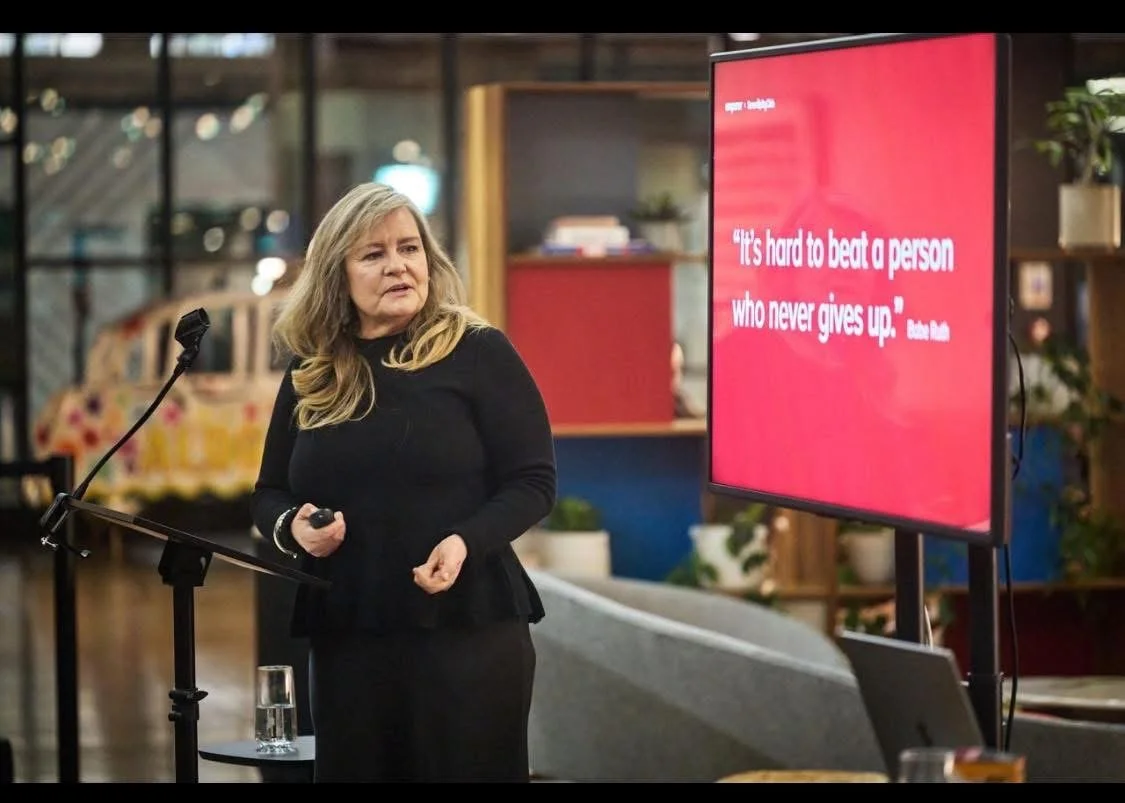
Alison Kervin OBE explores these questions through revealing stories from elite sport, national journalism, business and the creative world. Her talks and workshops help organisations examine their own habits and identify practical changes that support better performance.
Her perspective comes from decades of interviewing leading performers, investigating organisational behaviour and successful teams, and personally leading major editorial teams through change.
She looks at the cultural issues related to changes in technology, management, expectations, and hybrid working, and the changes required to help businesses and teams grow and become more effective and competitive.
Culture is revealed in ordinary moments
When Jonny Wilkinson arrived at an England training camp, he felt so unwelcome that he almost left. There was no one to greet him, and no one was expecting him. He had no idea where to go or what to do.
When Alison interviewed Eric Cantona, he described the wonderful culture he had experienced on film sets as he moved into acting, prompting Alison to spend time on sets and with film directors to assess what they did to make a diverse group of actors work as a team.
The questions these issues raise matter far beyond sport and film: what happens when someone joins your organisation, and what helps them feel able to contribute and grow?
Other moments reveal equally powerful lessons. Why did Clive Woodward insist that England players collect their own cars at Pennyhill Park rather than ask hotel staff? What did an unexpected M&S suit refund reveal about trusting employees to exercise judgement? And how did Great Britain’s women’s hockey players help create standards they felt responsible for upholding? And how did this contribute to Olympic gold?
Alison brings these experiences to life, opening up conversations about belonging, clear expectations, ownership and trust.
Experience of leading change
As editor of Rugby World, the world’s best-selling rugby magazine, Alison reshaped the magazine as rugby entered the professional era, bringing a new ambition and dynamism to an established publication.
As Sports Editor of The Mail on Sunday, she led a department whose focus was “every ball, every kick” to one which broke stories, campaigned for change, and investigated wrongdoing. Changing the team’s understanding of its purpose had to happen alongside the demands of producing a national newspaper every week.
Her investigation into Mohamed Al Fayed and Harrods also informs her work on power, accountability and the consequences when people cannot safely raise concerns.
These experiences bring a practical perspective to the demands of changing established working habits.


The changes we can explore
Every organisation has its own history, pressures and strengths. Sessions are shaped around the behaviours you want to change and the outcomes you need to achieve.
Themes include:
Leadership behaviour: Examining how everyday responses to challenges, mistakes and bad news influence what others feel able to do.
Purpose and change: Changing an established organisation’s understanding of its job, and helping people understand why change matters and how they can contribute to it.
Psychological safety: Helping people ask questions, admit uncertainty and raise concerns, alongside clear standards and accountability.
Trust and ownership: Giving people the clarity, confidence and authority to make sound decisions. Building ownership rather than merely issuing instructions
Collaboration: Helping teams work across boundaries and recognise the contributions behind a shared result.
Changes: Helping an organisation respond to a changed world
Respecting Individuals: Creating a team in which different specialists can contribute, managing egos and making sure people are proud of their individual contributions to the team
Talks and workshops
Keynote talks
Funny, revealing and thought-provoking stories introduce the themes most relevant to your audience, followed by questions and discussion. Suitable for conferences, staff events and leadership days.
Practical workshops
Participants connect the colourful examples to their own working lives, examine realistic situations and identify specific changes they can make. Workshops can accompany a keynote or form a separate session.
Facilitated leadership conversations
Focused discussions give leaders space to explore difficult questions, including how they invite challenge, communicate expectations and respond when things go wrong.
Sessions supporting a wider change programme
A series of talks, workshops and follow-up conversations can support an organisation’s existing programme, giving teams opportunities to discuss progress and work through challenges as they arise.
Recent work
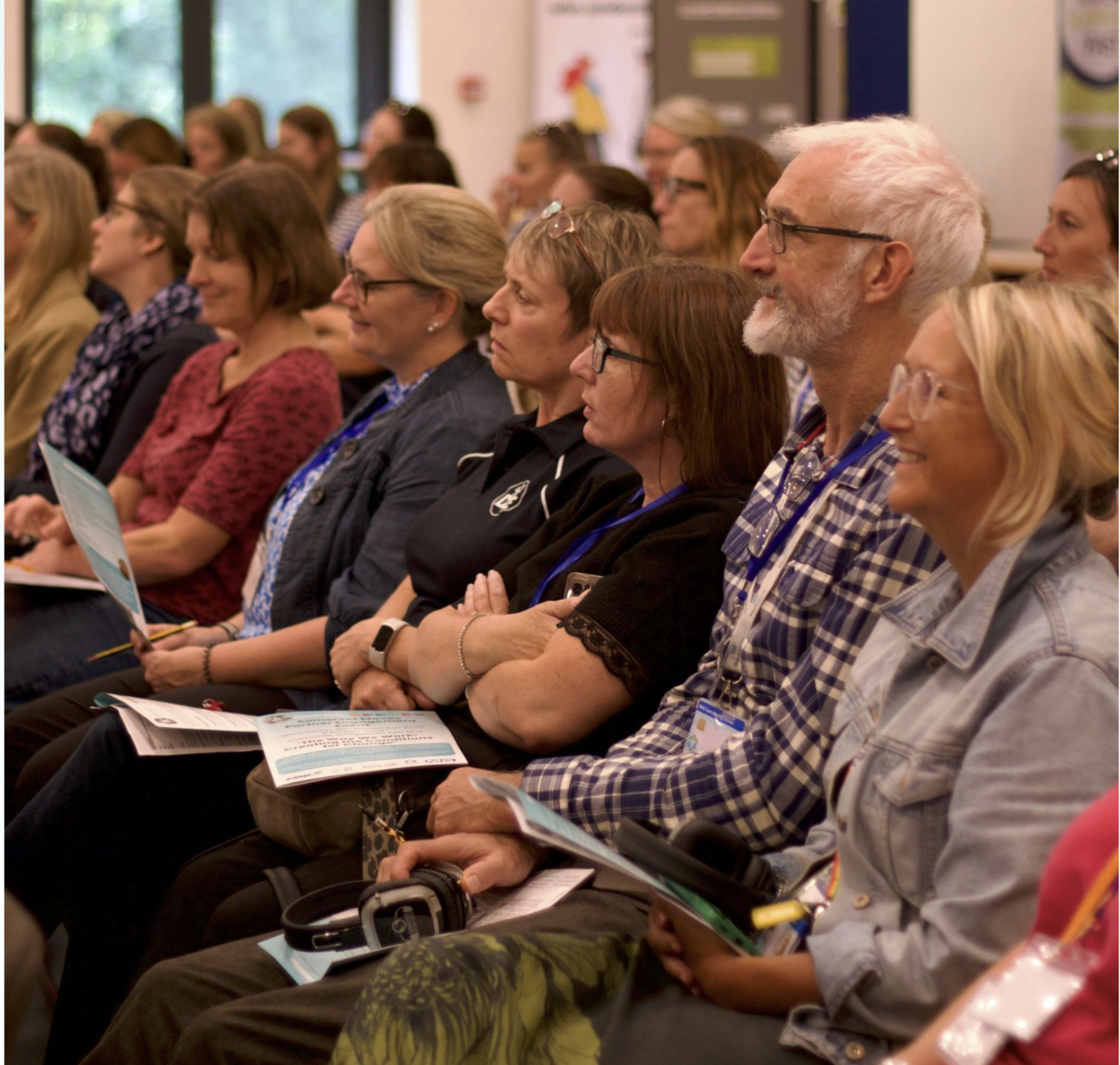
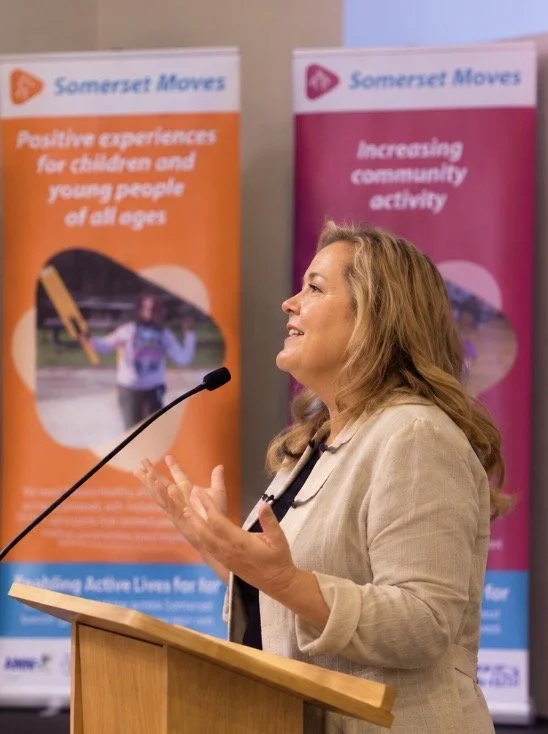
For Somerset Moves, Alison delivered a keynote, workshops and facilitated conversations for people working across health, local government, education, physical activity and community services.
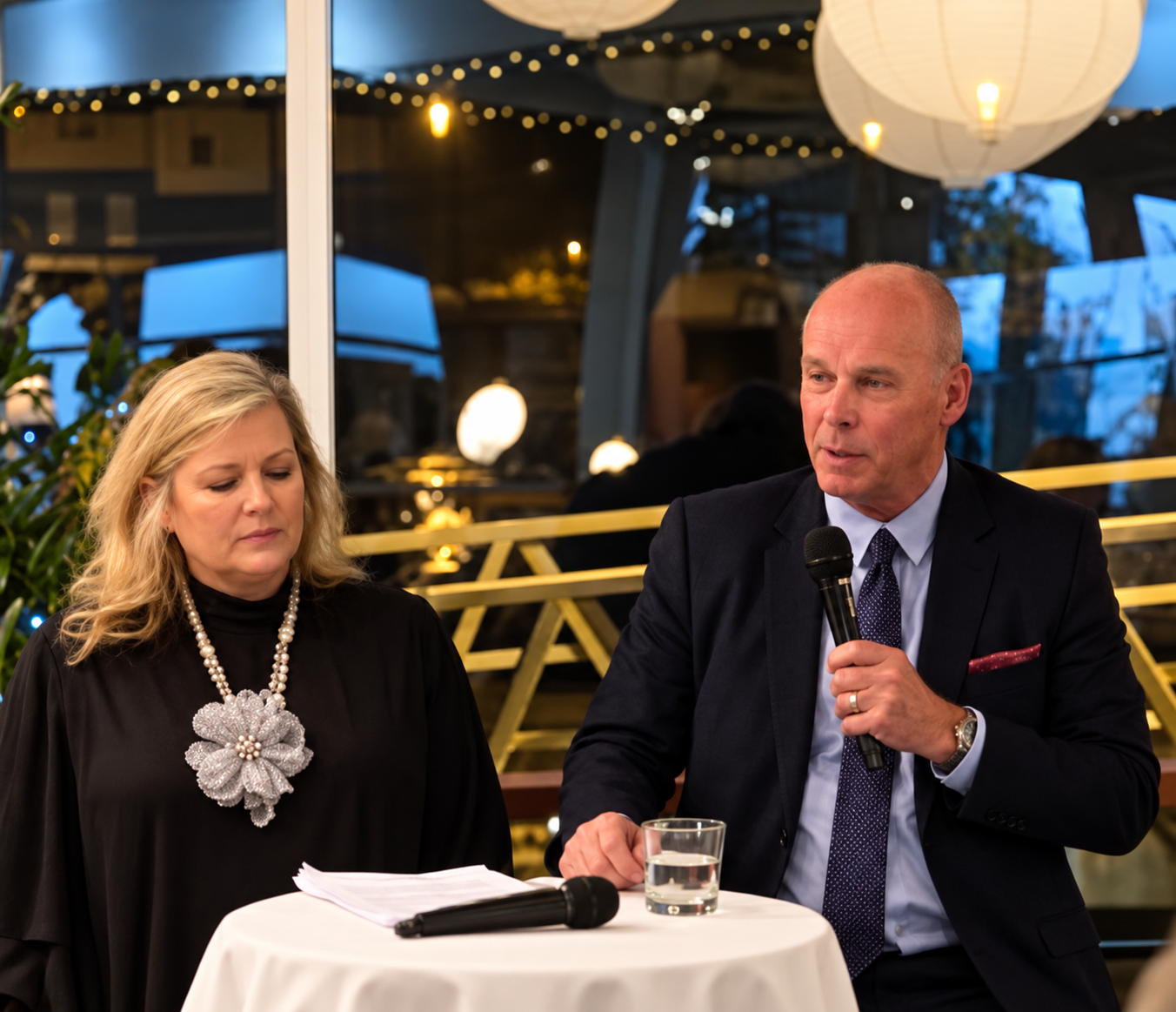
At the People in Law Senior Leaders’ conference, she drew on her investigation into Harrods to explore organisational culture, accountability and why warning signs can go unheard.
Discuss your organisation’s priorities
Whether you are planning an opening event or looking for sessions to support a longer programme, the starting point is a conversation about what you want to change.
Alison will work with you to select the stories, questions and format most relevant to your people.
Book a 15-minute introductory call
Or email ak@alisonkervin.com.